
Meaningful Masters Research
I’m pulling through because of you: injured workers’ perspective of workplace factors helping them return to work When I set out to do my research I had heard grad student horror stories being stuck doing their supervisors “laundry” and not getting to do to impactful research. I had big ideas and my supervisor Dr. Jonathan…

Managers’ role when people are struggling
A widely cited 2023 UKG Workplace Institute survey found almost 70% of employees indicated their boss had more impact on their mental health than their therapist or doctor[1]. Why is that? 18% of Canadians would say their mental health is “fair” or “poor”[2]. 1 in 5 meet the criteria for a mental illness[3]. As a…
Train leaders – change their leadership?
A 2023 Statistics Canada survey[1] indicates 1 on 5 Canadians rate their mental health as “fair” or “poor”. As Schulte et al[2] point out “the workplace can negatively affect workers’ mental health by intensifying an existing situation or contributing to the development of mental health conditions via exposure to excessive work stressors” (p.500) and “line managers have…
The vital role of managers and supervisors in employee mental health
There are a lot of ingredients to creating a psychologically healthy and safe workplace. Many ingredients (i.e. psychosocial factors) are common to all workplaces — but workplaces need to be strategic and identify which ingredients they need more or less of. My recent poster presentation at the CMHA Working Stro is an infographic literature review…
Are we the sum of our days?
We are powerfully shaped by our experiences. Our experiences are not what happen to us but how we interact with what happens around us. We are affected by the ups and downs of our day. Burnout researchers Bakker and de Vries (2021) suggest that daily experiences shape a trajectory of improving or declining health. When we…
Getting started with workplace mental health
We often are consumed with the “what” will fix burnout or improve workplace mental health. Should we be more concerned with the “how”? International reviews of research studies show varied results for workplace programs targeting both individual factors and workplace factors (see these two reviews by Fleming and Rugulies et al). The former review implies…
Getting started with a psychological health & safety program
Starting a psychological health and safety program does not need to be difficult. In the May 20, 2024 episode of the Psych Health and Safety Canada Podcast I talked with organizational consultants Kate Toth and Kyle Armstrong and one of their clients, Kristine Parsons. What did they say in this episode? Workplace conditions are co-created.…

Mental Health Resources for Leaders
In the past few months I have had the pleasure of speaking to several employer groups on how leaders can support individuals who have mental health problems stay at work and return to work. As part of my practice I help people return to all their “occupations” of life: self-care, leisure, and productivity — work…
Quick tools for Work from Home
#WFH is a lot of what we are talking about these days! For those who are fortunate to be employed through the pandemic that’s good. And if you have the additional luxury of working from home your COVID-19 risk as decreased significantly. But your risk of bodily pain from poor ergonomics is increased. You may…

An integrated approach to workplace wellbeing: safeguarding human capital
The world of work can be really turbulent. Some are surfing the crests of those waves and others feel like they are being pulled under. I would be really interested to see an evidence-informed human capital strategy that fits employee engagement, workforce sustainability, and occupational health all on one page – if you’ve seen it…
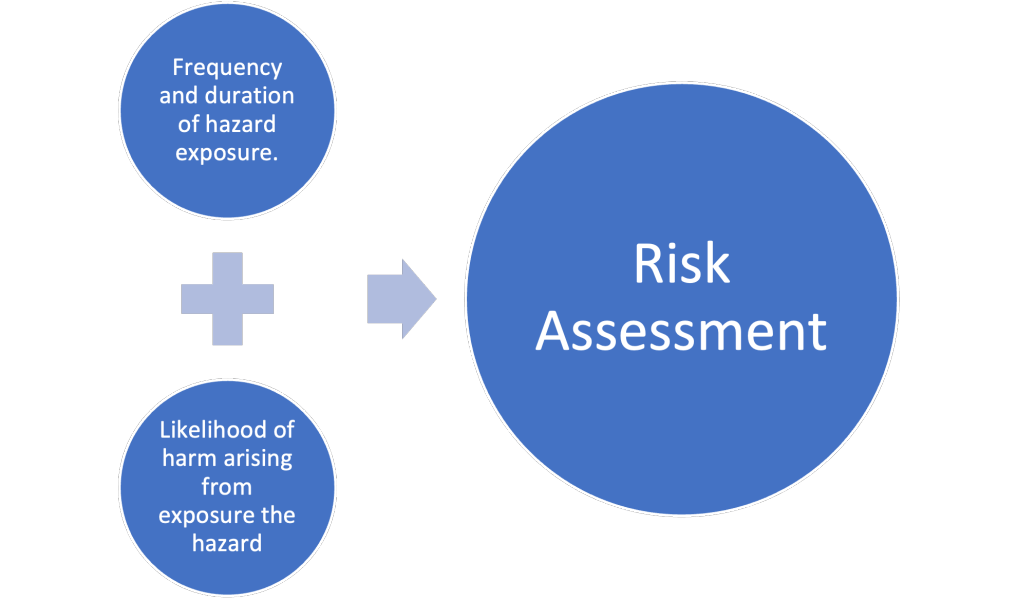
Creating a psychologically safe workplace: sustained and meaningful commitment
Healthy work nurtures healthy people who power organizations and society. Work is an important component of life: a source of accomplishment, purpose, social connection, and a means to an income. Work has many positives. Overall, working is associated with better health and wellbeing[i] but poor working conditions are associated with poor health. Situations of high job…

Musculoskeletal disorders: why can’t we win?
Depression is the leading cause of disability worldwide[i] but work-related musculoskeletal disorders (MSDs) also remain costly – in fact, these two categories represent 80% of work-related ill health [ii] in the UK whose economy is very comparable to Canada’s (and they keep great national statistics). Depression is quite complex but logically, can’t we have “beat” MSDs by now?…
 Lewis Health Management Consulting